
Mission
My work is about helping people feel like themselves again. I support adults navigating a wide range of mental and emotional challenges, offering a space that's grounded, supportive, and real.
I have a particular focus on post-concussion recovery and the identity shifts and emotional impacts that often come with it — though I work with clients facing many different kinds of struggles.
Therapy, for me, isn't just about managing symptoms. It's about making sense of what you're going through, rebuilding confidence, and reconnecting with yourself. My goal is to help you move forward with clarity, resilience, and a stronger sense of who you are.

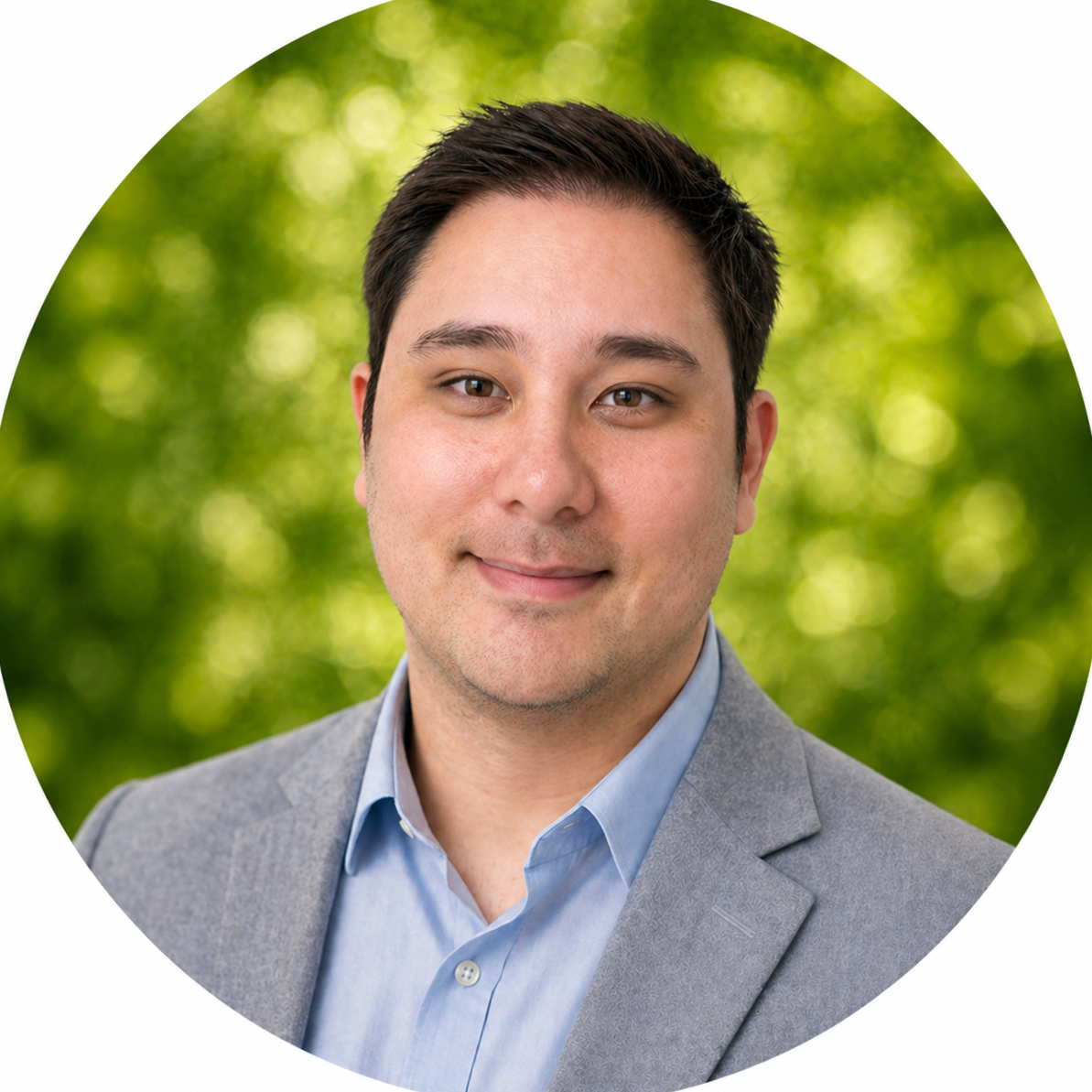
I hold a Masters of Education in Counselling from the University of New Brunswick and a Bachelor of Arts in Psychology from the University of Prince Edward Island. I'm a Registered Counselling Therapist – Candidate (RCT-C) with the Nova Scotia College of Counselling Therapists, registration #[RCT-C26-078], practising under the supervision of an experienced RCT approved by the College.
The candidacy period is a standard two-to-five-year stage of mentored practice that every new counselling therapist in Nova Scotia completes before moving into fully independent registration. For you, that means the work we do together is supported by ongoing professional supervision and accountable to the College's Code of Ethics and Standards of Practice.
About
“Hi there! My name is Andrew Wong. My work with post-concussion recovery is deeply personal. Before becoming a therapist, I was a competitive athlete who played and competed in a wide range of sports. That identity meant a lot to me, but it also came with a cost.
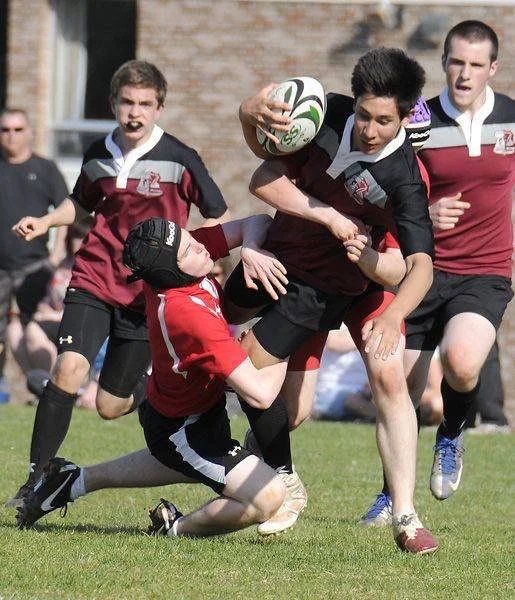
Over time, I experienced multiple concussions, including five diagnosed during hockey, along with many moments where I ‘got my bell rung’ from the physical style I played. Later, while playing rugby, I sustained two concussions on consecutive plays, resulting in second impact syndrome. Months after that, I suffered another concussion after hitting my head during a game of squash.
These experiences had a real impact, not just physically, but mentally and emotionally. I know what it’s like to deal with brain fog, frustration, and the unsettling feeling of not being yourself.
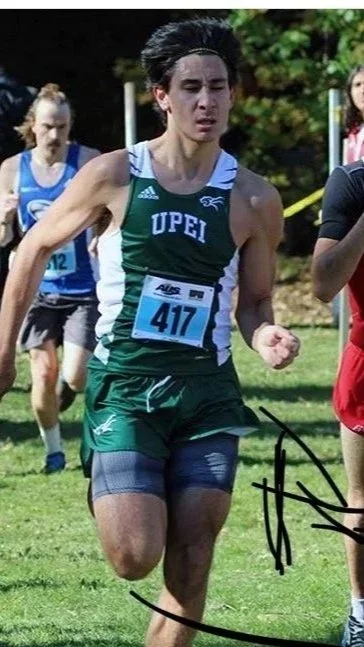
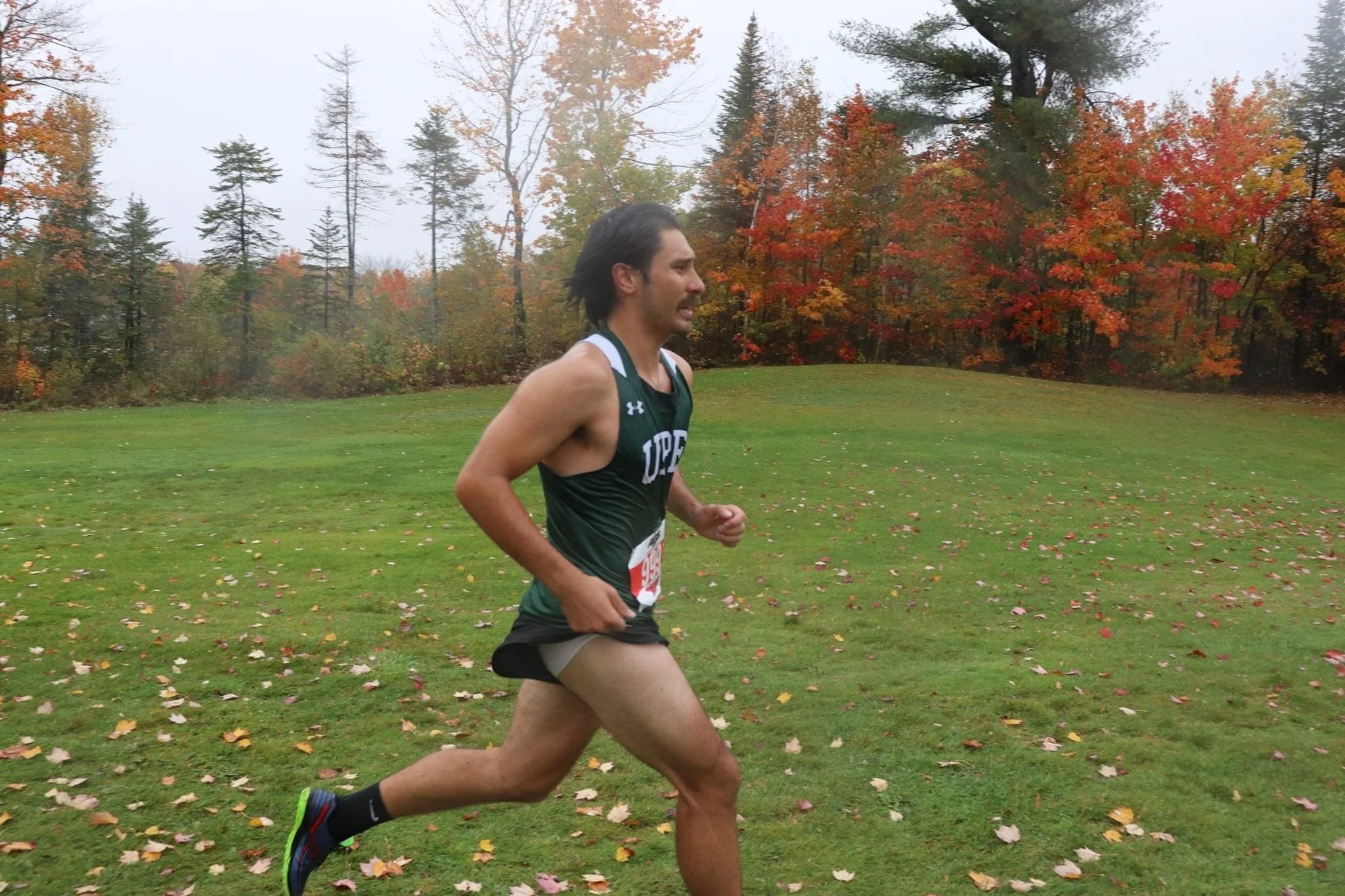
Despite that, I eventually returned to sport through collegiate cross country running, driven by a deep value for competition and growth. That journey shaped how I understand recovery, not as a straight line, but as something that requires patience, support, and making sense of who you are through it.
As a therapist, I bring both clinical training and lived experience into the room. I understand not just the symptoms of post-concussion syndrome, but the identity shifts and emotional challenges that often come with it. My goal is to help you feel understood, supported, and to find your way back to feeling like yourself again.”
Outside of therapy, I’ve always valued discipline, growth, and pushing myself — whether through sport or personal development. That mindset carries into my work, where I aim to help clients build resilience, confidence, and a stronger sense of direction in their lives.